






Brand specs are training data, not templates.
I built a design engine that compiles a fresh design language for every brief. Here is the idea that made it work.
اقرأ هذه المقالة بالعربية
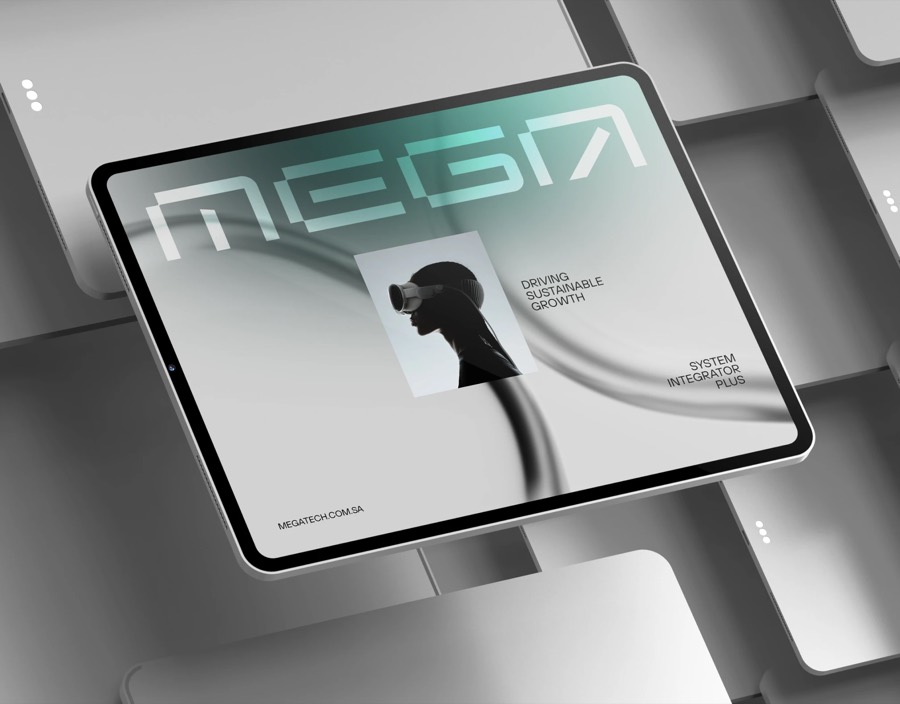
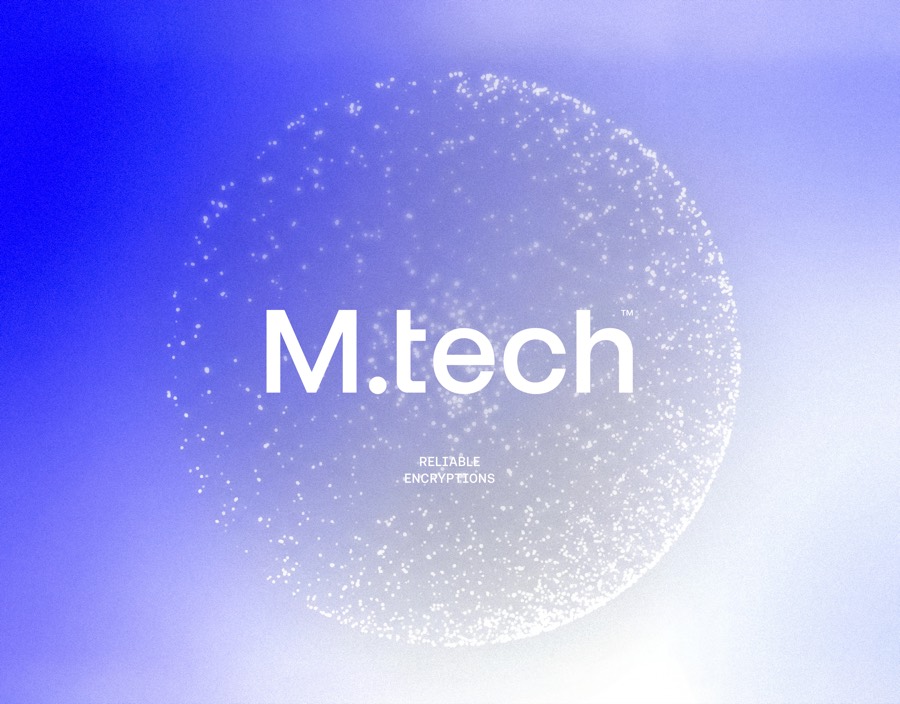
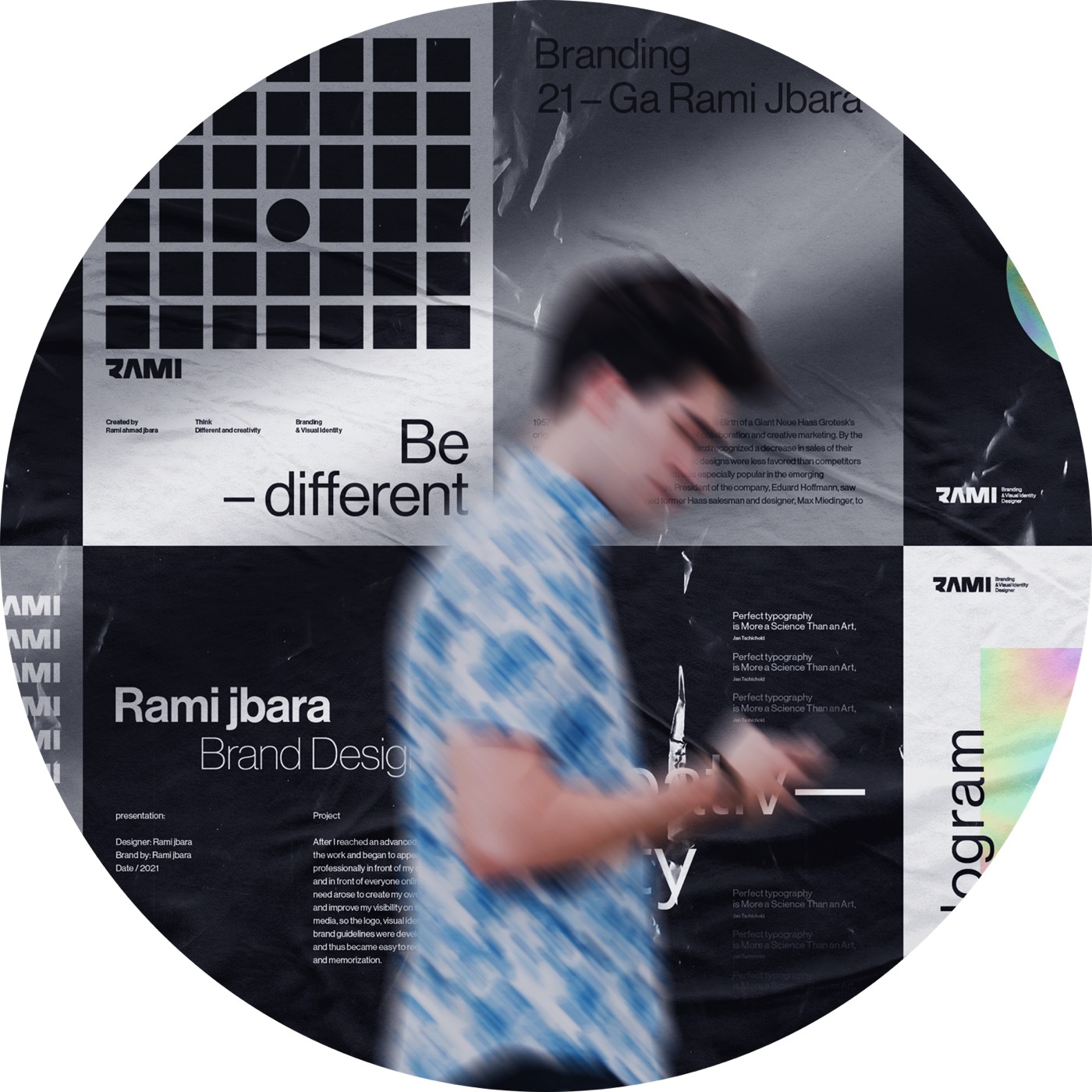
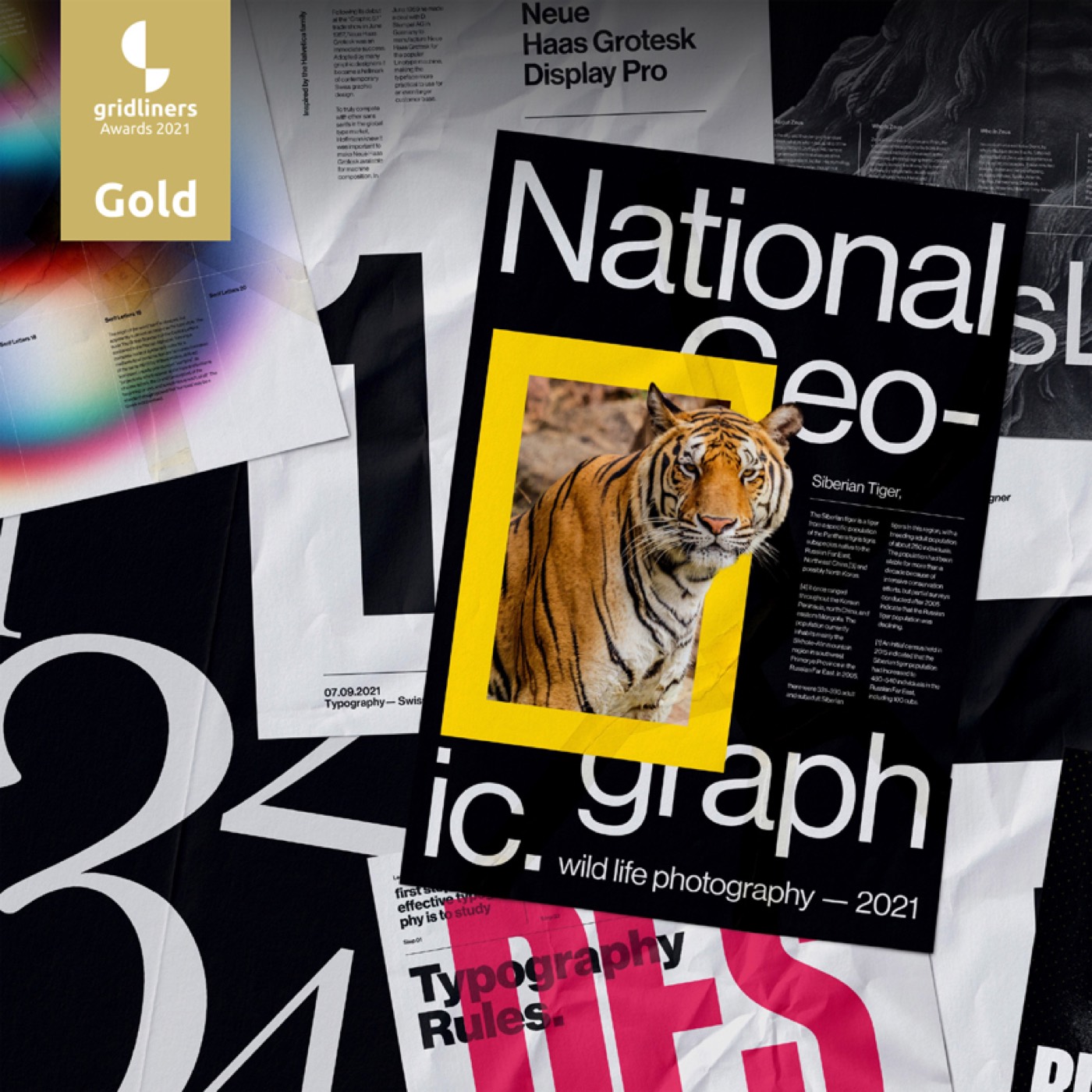
This site. Its design language was compiled by The Brain, ux-skill v3.0.
Most design tools hand you templates. You pick one, fill it in, and your product ends up looking like everything else built on the same starter. The template is a shortcut, and it costs you the one thing that matters most. A brand that is yours.
So I built the engine differently. It is called The Brain, and the idea that makes it work fits in one line. Brand specs are training data, not templates. Here is what that means, and why it changes the output.
Key takeaways
- Templates hand you a shortcut that costs the one thing worth having: a brand that is yours.
- The Brain is a deterministic engine that compiles a fresh design language per brief across seven axes: warmth, contrast, density, geometry, formality, motion, and type personality.
- It reads 160 real brand specs as training data, not templates. It learns the patterns, then builds something new for your case.
- Under the hood: 1,182 structured entries, 145 anti-pattern rules, a local decisions ledger, and support for 17 IDEs. No model calls, fully offline, zero telemetry.
- When you build any system, ask what your inputs are. Treat great work as templates and you get copies. Treat it as training and you get a point of view.
Why do templates make everything look the same?
Because a template is a finished answer, and a finished answer fits no one exactly. You start from someone else’s decisions about warmth, spacing, and type, then bend your brand to fit a shape that was never about you. The result is competent and forgettable, which is the expensive part. Design that is truly yours is not a luxury. On the McKinsey Design Index, the top-quartile scorers grew revenue 32 percentage points faster than their rivals over five years.
A template optimizes for speed at the cost of distinction. For a one-off flyer, fine. For the identity a company lives inside for years, the wrong default compounds. You do not want a faster way to look like everyone else.
What does brand specs are training data mean?
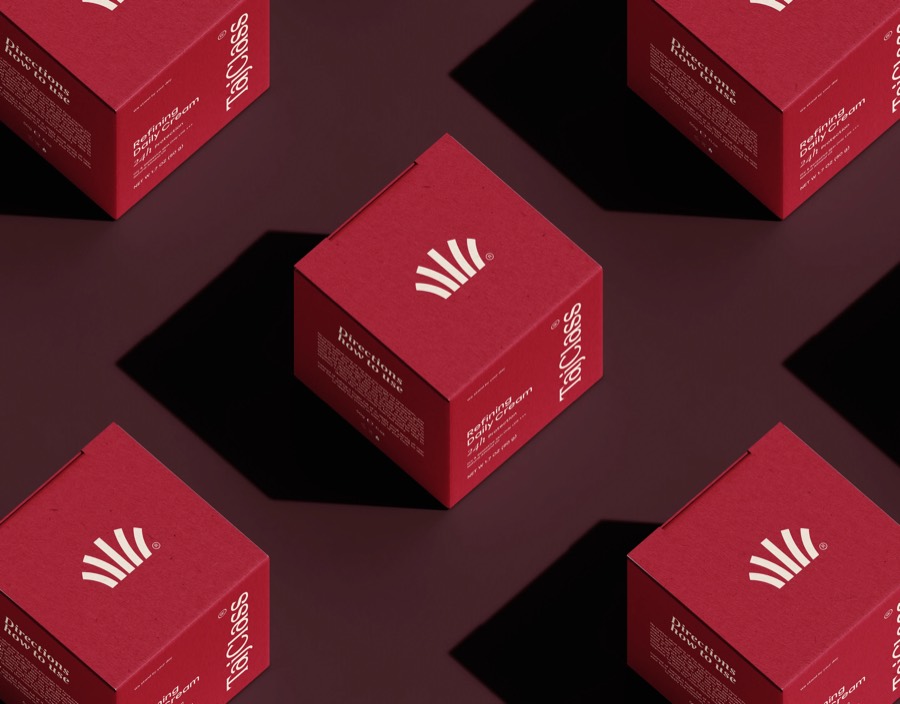
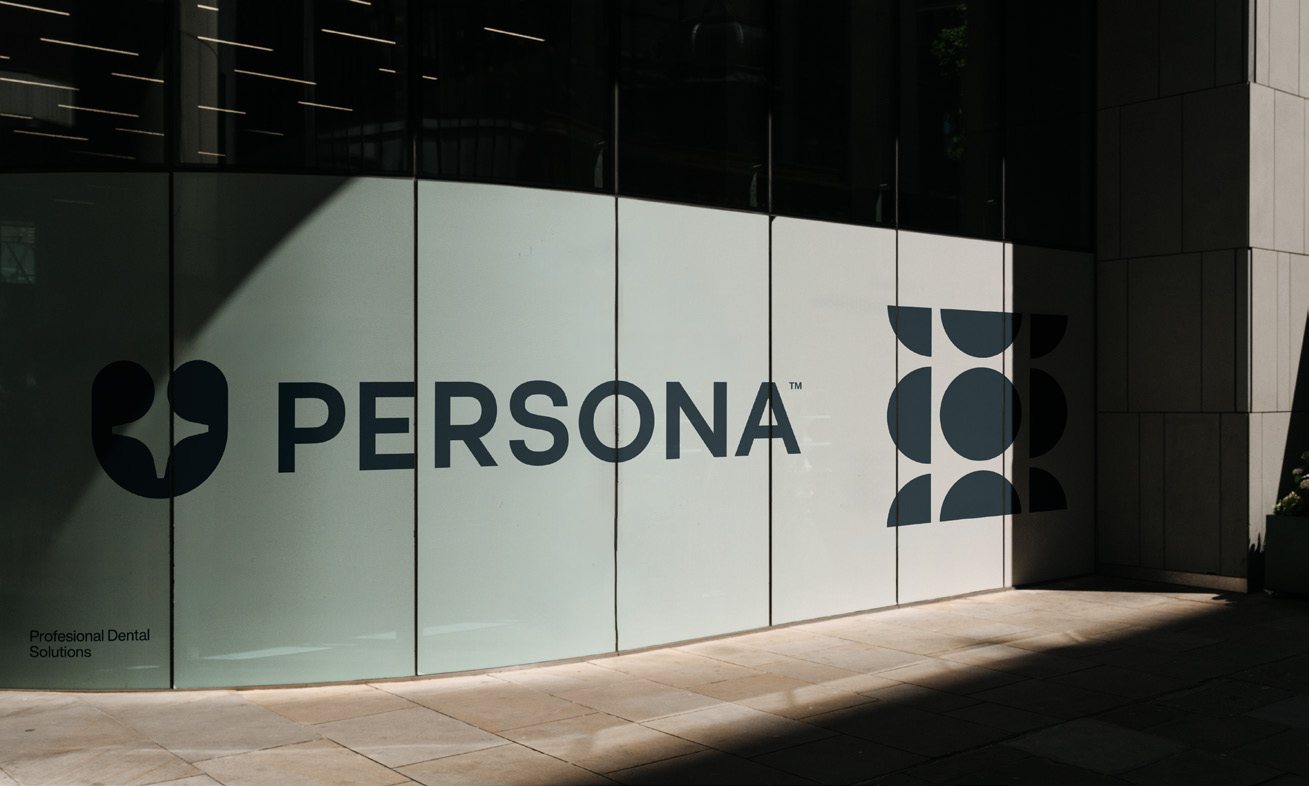
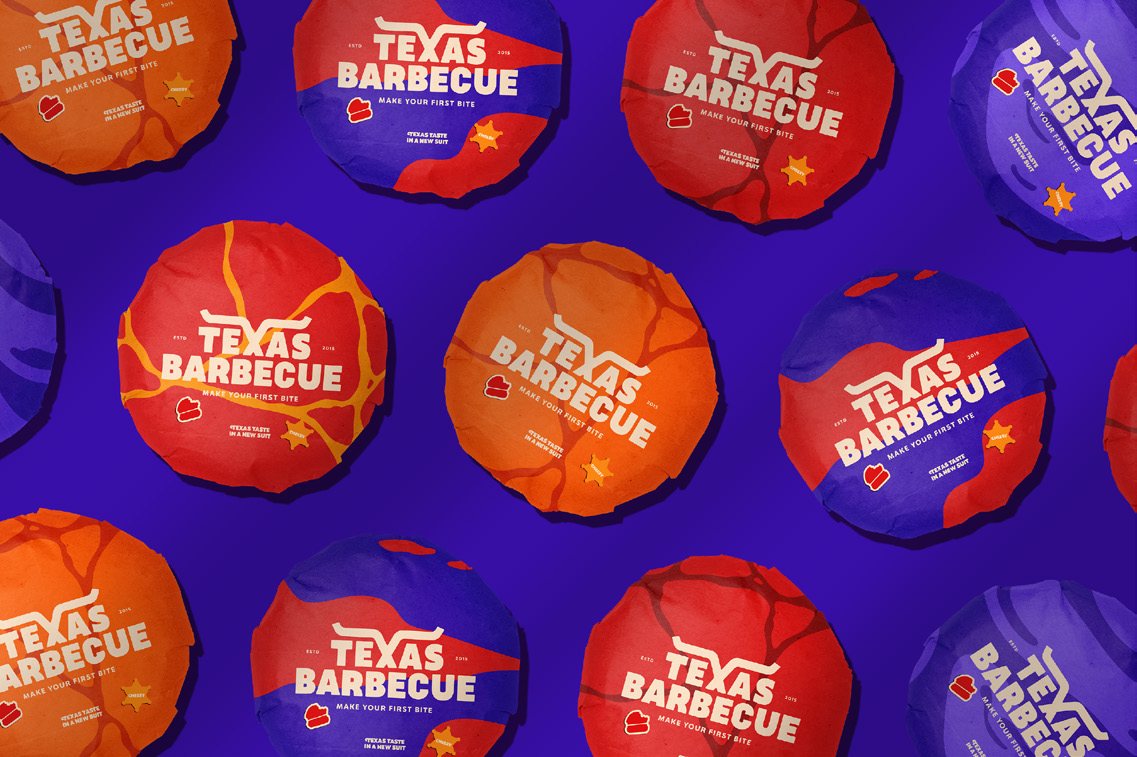
It means the engine studies real identities the way you would, then designs something new, rather than copying any of them. Inside The Brain sit 160 real brand specs. It does not paste them. It reads them the way you might study a hundred great identities before you design your own, learning the patterns that make brands work, then composing a fresh system for your brief.
Change the brief and you get a different system, not a different skin on the same one. The specs teach the engine what good looks like across many cases. They never get stamped onto yours. That is the whole difference between training and templating, and it is why two briefs come out looking like two different companies.
What is under the hood?
A lot of structure, so the output is considered rather than random. The engine runs on 1,182 structured entries and 145 anti-pattern rules, so it knows what to avoid, not only what to reach for. A local decisions ledger lets it learn as it runs. It compiles a design language across seven axes, warmth, contrast, density, geometry, formality, motion, and type personality, and it works inside 17 IDEs.
The anti-patterns matter more than they sound. Most generators only know what to add. Knowing what not to do, the combinations that cheapen a brand, is what keeps the output from drifting into the same tasteless middle every template lands in.
Why offline, no model calls, zero telemetry?
Because a design engine should not be a data funnel. The Brain makes no language-model calls, runs fully offline, and sends zero telemetry. Your brief never leaves your machine. That is a deliberate choice, not a missing feature.
It is also why the output is deterministic. The same brief produces the same system every time, with no cloud round-trip and nothing to leak. You can trust it with the work before the work is public, which is exactly when a brand is most worth protecting.
I build the tools other designers build with
This is the part I care about most. I do not only design products. I build the instruments other designers use to make theirs. The Brain shipped as ux-skill version 3.0, and this website is the proof. Its design language was compiled by the engine, then built out from there.
Working at that level changes how you think. You stop solving one brand and start encoding what makes brands work at all. The reward is leverage. A good tool quietly improves every project that touches it.
The lesson generalizes past my engine
When you build any system, ask what your inputs really are. If you treat great work as templates, you get copies. If you treat it as training, you get a point of view. The framing sets the ceiling before you write a line of it.
That holds for a design engine, a content pipeline, or a team’s way of working. Feed it finished answers and it repeats them. Feed it patterns and let it reason, and it can make something new. Build for the second one. If you want a brand or a product shaped this way, tell me what you are working on.
FAQ
What is The Brain?
It is a deterministic design engine that compiles a fresh design language for each brief across seven axes: warmth, contrast, density, geometry, formality, motion, and type personality. It runs offline with no language-model calls and shipped as ux-skill version 3.0.
What does brand specs are training data mean?
The engine studies 160 real brand specs to learn the patterns that make identities work, then synthesizes a new system for your brief. It learns from the specs the way a designer studies great work, rather than pasting a template.
Does The Brain send my data anywhere?
No. It makes no language-model calls, runs fully offline, and sends zero telemetry, so your brief never leaves your machine. The output is deterministic, so the same brief produces the same system every time.